A Practical Foot-Care Routine After a Long Shift
A guide to everyday care for tired, dry-feeling feet, including when a dedicated foot cream, a small tube or supplies you already have make sense.
In this guide
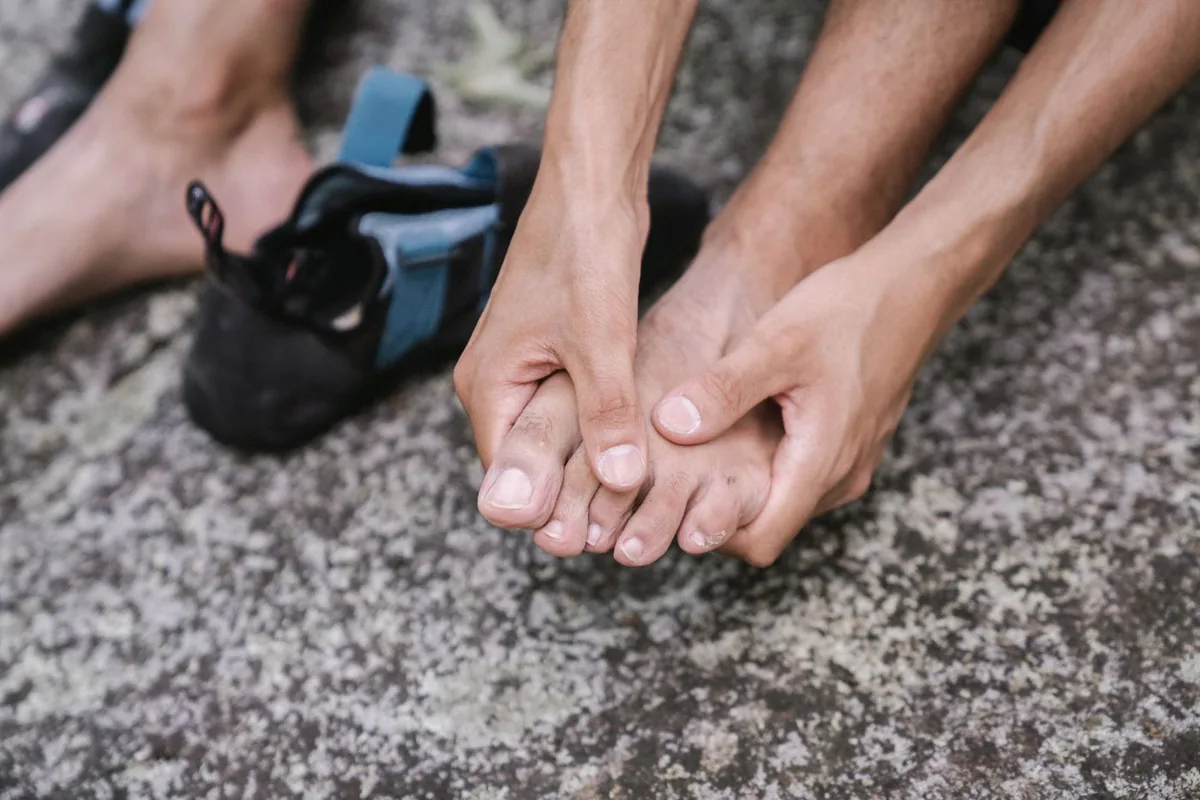
There is a particular moment after a long shift when the only part of a foot-care routine you want to do is get your shoes off. That is the routine worth designing for. A basin, several products and a long soak may sound appealing when you have the whole evening free. On a worknight, a clean pair of socks, a dry towel and a product you can reach from a chair can do more to make the routine happen.
Start by separating two observations. Your feet may feel tired after standing or walking for hours. Your heels may also look dry or feel rough against the inside of a sock. A cosmetic moisturizer is a purchase for the second problem. It does not change the fit of your shoes or address persistent pain. This guide is about choosing a practical care setup for intact skin, with options you can use at home and a way to decide whether a dedicated foot cream is worth its space.
Put the supplies where you finish the day
Keep a towel, clean socks and the moisturizer you already have near a place you can sit. If you shower first, choose a dry part of the room and sit down before handling the product. If you change out of your shoes immediately when you get home, have clean socks where you normally leave your shoes. A routine is easier to repeat when the items are already there. You are less likely to skip it because you need to walk across the house again with damp feet.
Look at the places that rub or feel dry. Notice whether it is one heel, both heels, or a small part of the foot where a shoe rubs. If the main issue is that your socks are damp or bunch up, start with clean, dry socks and check how your footwear fits. A thicker cream is not a substitute for fixing a repeated point of friction. If the problem is simply a dry-feeling heel, you can put your attention there and skip applying a product everywhere.
After washing, dry the feet carefully, including between the toes. For intact, dry heels, a moisturizer applied where it is needed is a simple first step. The American Academy of Dermatology’s dry-heel guide provides general care suggestions and discusses when it is worth asking a clinician about a persistent problem. Use a moisturizer according to its own label. Give it a moment before standing if the soles feel slippery.
Compare a body cream and a dedicated foot cream
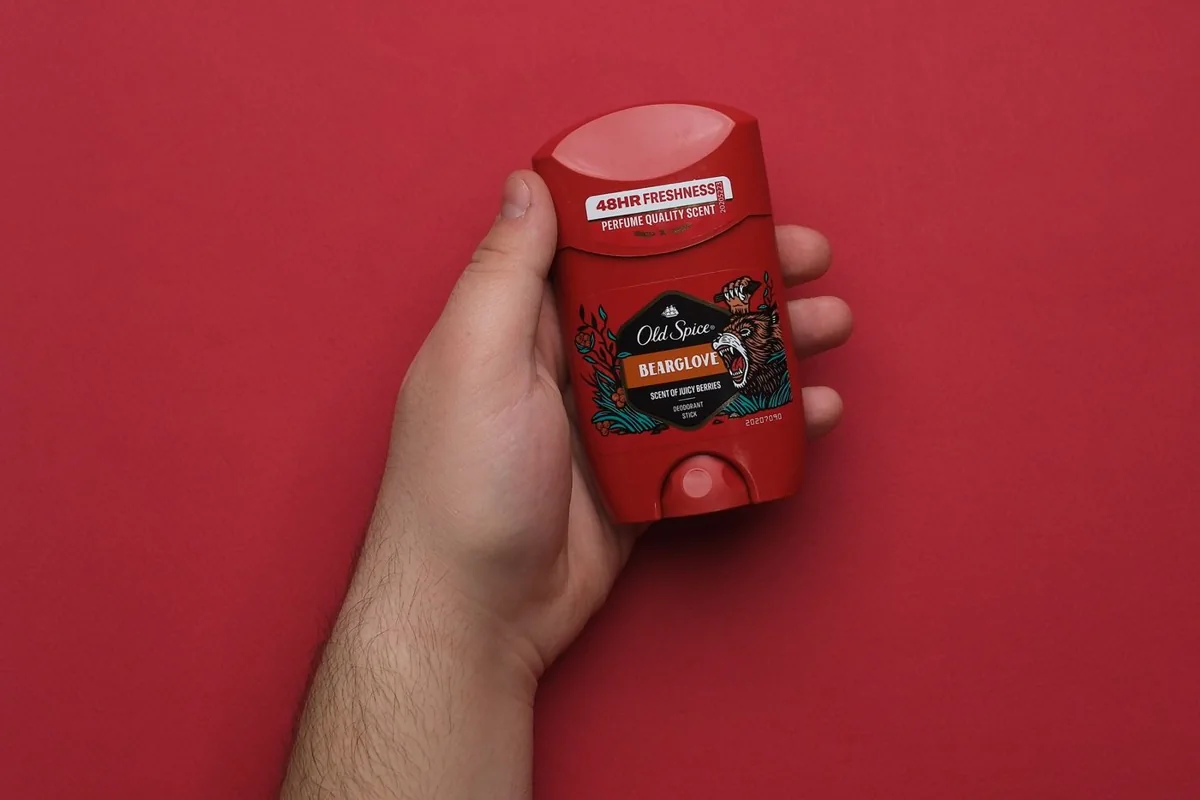
A regular body cream is a reasonable starting point for a dry area on intact skin. CeraVe Moisturizing Cream is one example of a product sold for face and body. Its ingredients include ceramides and hyaluronic acid according to the manufacturer. If you already have a body cream with a texture you like, use it at the point in the evening when you will have time to apply it. For a small area on one heel, there is little reason to purchase a separate product before trying the cream that is already in the bathroom.
O’Keeffe’s Healthy Feet Foot Cream is a dedicated foot cream available in a tube. The brand directions describe starting with a small amount. Consider it if you would use a separate product regularly, want a tube you can take to a bedroom or gym locker, or prefer its documented ingredients to the cream you have. Check that you are looking at the original product. Other Healthy Feet versions may have different ingredients and directions. A similar name on another tube does not tell you which formula you are buying.
The package creates a real difference. A large tub can be useful when you also moisturize legs and arms. A small tube is easier to keep near the chair where you change out of work shoes. If you are buying a separate foot product mainly to make the routine convenient, you may be able to get the same convenience by moving your regular moisturizer into reach. Try that first and see whether you still want a separate tube.
Put socks and tools in the right order
Clean socks are often worth more attention than a new tool. Choose a pair you can put on comfortably after applying your moisturizer and that you are willing to wash regularly. If you wear socks for this purpose, pick a pair that stays in place without squeezing uncomfortably. Do not assume you need a specialty sock if an ordinary clean pair works. When the floor is wet or slippery, make sure you have stable footing and get to a dry area before trying to stand.
If you are considering a foot file because a heel feels rough, think about whether a tool fits your needs at all. A file does not replace routine moisturizing and can make a problem worse if used too aggressively or over broken skin. Follow any instructions on the tool, and do not treat a cut, painful crack, rash or other skin change as something to file away. For people with diabetes, poor circulation or reduced foot sensation, follow individualized advice before using tools or trying to manage a foot problem yourself. The AAD’s diabetes skin-care guidance explains why foot care deserves particular attention.
Many people can skip a file entirely and still get what they want from the routine. The reason to buy one should be a specific need and a clear understanding of safe use. A set with several abrasive tools does not improve the value if the one thing you plan to do most nights is apply a little moisturizer to a heel.
Set up one version for home and one for a locker
If you go from work straight to the gym, you may only need clean socks and a small towel in the locker. A heavier cream can wait until you are home and have a dry place to sit. If you do keep a tube in a bag, make sure it closes securely and store it away from damp gear. That makes it easier to use it on the days you need it. Compare the size of the whole kit rather than buying a foot product, wash and several tools just because they come as a set. The items that do not fit your actual evening will be the first ones left behind.
Use the next three worknights to decide
| What you notice | First change to try | When a purchase might help |
|---|---|---|
| A heel feels dry but the skin is intact | Use the body cream you own in the evening | Try a dedicated tube if you want a different texture or package |
| You always forget to use cream | Put it by the towel or clean socks | Buy a smaller format only if the larger one will not fit there |
| The soles feel slick after application | Use a smaller amount where needed and stay seated while it settles | Compare textures if you still dislike the finish |
| Socks rub or stay damp at work | Change the socks and assess footwear fit | A different sock or shoe fit may solve the actual problem |
| A crack, skin change or pain persists | Seek advice suited to the issue | Choose a product after you know what problem you are addressing |
On the first night, use the simplest version of the routine. On the second, notice whether the amount and placement were practical. On the third, decide which part you would repeat next week. There is no need to buy both creams to compare formats. A dedicated foot cream earns a place if the package or feel makes the part of the routine you already want to do easier. If the product you have works after you put it next to your towel, keep using it.