Pack a Carry-On Skincare Bag for a Three-Night Trip
A packing plan for familiar skincare, makeup removal and sun protection, with TSA guidance and a checklist for buying minis or reusing your own containers.
In this guide
A three-night trip is short enough that you can use the products you already have and long enough that you will notice a leaky bottle by the second morning. The challenge is to fit a routine for three different situations into one carry-on. There is the morning you leave, the late night you return to the hotel, and the day you are outside longer than expected. Decide which products help in those situations before you shop for anything marked travel size.
Start with an inventory, on the counter rather than in your head. Put out the cleanser, moisturizer and sunscreen you would use on a normal day. Add a makeup remover only if the makeup you expect to wear requires one. Add any item you depend on every day. Keep a small space in reserve for toothpaste, other personal care liquids and anything you are responsible for packing for a child. A skincare kit is part of the carry-on, so its size makes sense only in relation to everything else.
Plan for the checkpoint first
For U.S. airport screening, the TSA Travel Checklist summarizes the 3-1-1 rule for carry-on liquids, gels and aerosols. It generally allows containers of 3.4 ounces or 100 milliliters or less, together in a single quart-size bag per passenger. Creams, gels and lotions are part of the calculation. A big tube with only a little product left can still be a big container. Check your route’s current rules, including connections outside the United States. If you need an exception for a medically necessary item, check the TSA’s specific guidance before packing instead of treating it like an ordinary cosmetic mini.
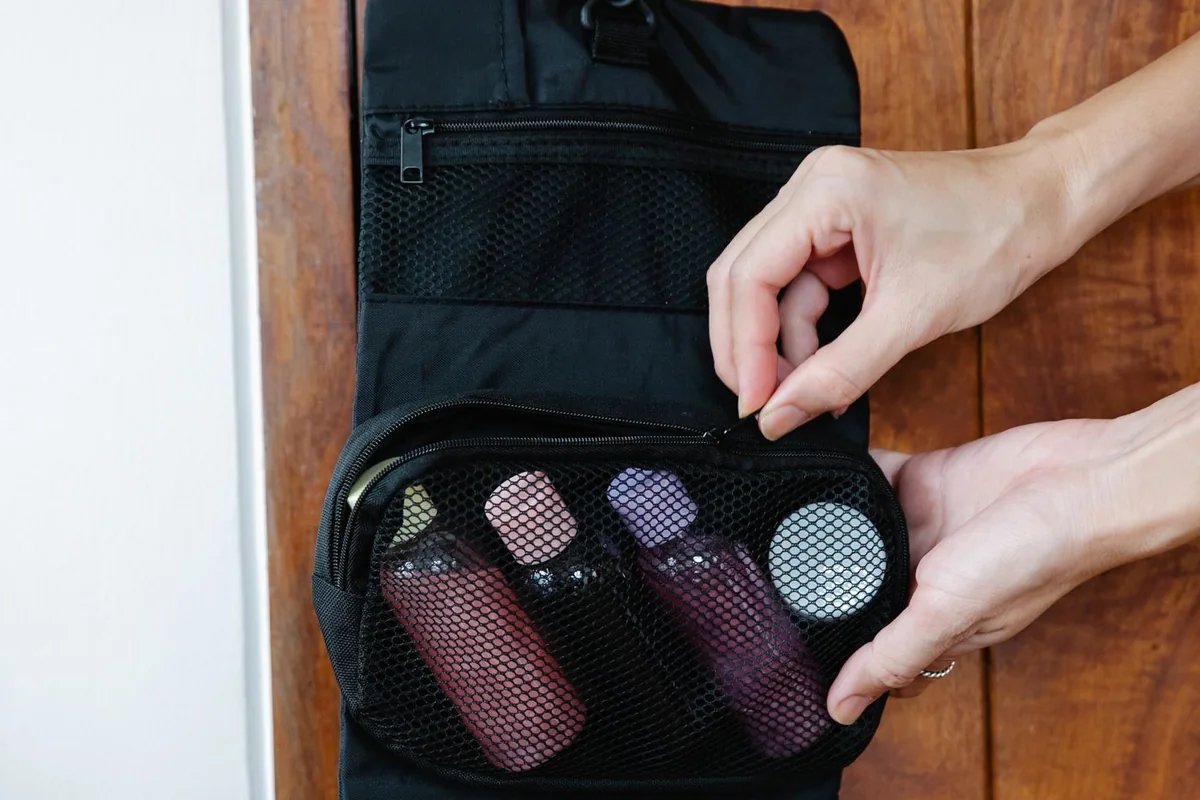
Lay the containers out in the actual bag you will bring. Flat tubes may fit alongside toothpaste, while short jars take up space in more than one direction. Empty the side pockets and check that the closure meets without pulling or bending. If a container only fits when you press hard on the zipper, find a smaller package or remove something you rarely use. A second decorative pouch can be useful for dry items like a brush or a soft headband, but the liquids still need to fit together.
Cleanse for the busiest evening
Imagine the hotel at eleven after a dinner. Decide whether your one familiar cleanser can remove what you plan to wear or whether you will bring a separate eye or lip remover. Someone wearing tinted sunscreen and washable makeup may have a shorter list than someone attending a wedding. Pack for the makeup you actually intend to bring. A dedicated product for one stubborn makeup item can use less room than a large additional cleanser intended for the entire face.
If your cleanser comes as a travel size, compare that before transferring it. The CeraVe FAQ lists smaller sizes for some products, including Hydrating Facial Cleanser and Foaming Facial Cleanser. Verify the name and size on the package. A mini makes sense when you use a formula frequently and want an original closure and label. A clean reusable bottle can be good value for a stable rinse-off formula you already own if the product directions allow it and the cap has held up in travel before.
Avoid guessing which travel bottles handle a thick cream cleanser. Some squeeze bottles dispense a thin fluid easily and are difficult to use with a dense product. Fill the travel bottle ahead of time, dispense a small amount, close it and place it on its side in a separate bag overnight. If the bottle leaks or the nozzle is awkward in your own bathroom, there is no reason to make that discovery after a flight.
Give sunscreen the original package
Leave sunscreen in its own labeled container. You will have the Drug Facts, directions and expiration information at hand. A travel size of your usual formula is useful if the amount meets the trip’s needs. Compare what you need for face and exposed body, then look at how much time the itinerary puts you outdoors. An overnight business trip with an airport shuttle is a different use case from a three-night visit with two afternoons at a beach.
The FDA’s sun safety guide explains how to follow the label and reapply. If bringing enough for an outdoor trip would crowd out your other liquids, consider checking a bag or buying the familiar product at your destination. Make that decision before departure if an outdoor activity begins soon after arrival. A tiny sample you have to ration is a poor replacement for an adequate amount of a formula you use as directed.
Pack moisturizer by number of uses
One moisturizer that works morning and night may cover a short trip. For three nights, count the applications you expect to make and add a small margin. Consider whether you use it only on the face or also on your hands. If you want a separate hand product because you wash your hands frequently on the journey, use a small labeled tube you already own or make room for it by dropping an optional serum. You will use the room you save more often than a new bottle of something you only occasionally remember.
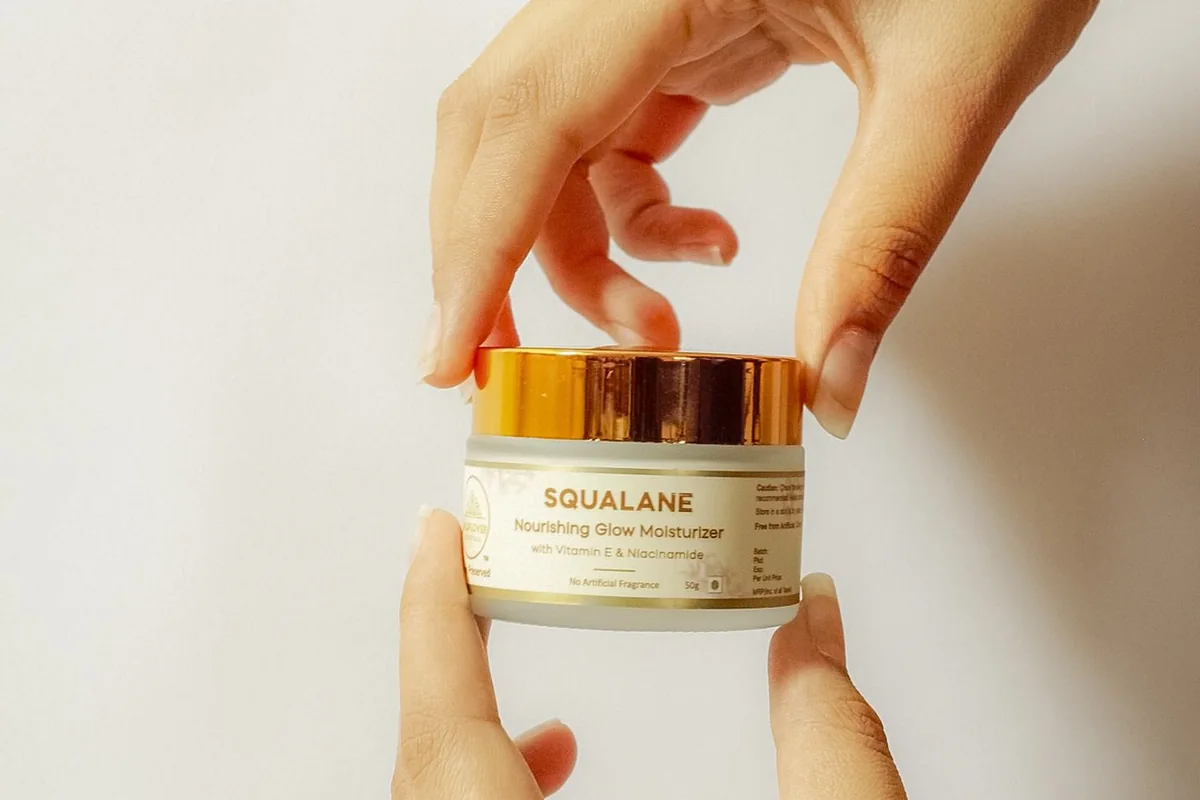
If your home moisturizer is a large tub, look for a manufacturer’s mini first. A reusable container should be clean, dry and suitable for the texture. A screw-top pot works for some creams but is awkward to open with wet hands. A small tube is easier to use at a crowded sink. Mark the contents clearly and avoid topping off a partially used container. Empty, wash and dry reusable containers before refilling according to the container directions.
The three-night test pack
| Item | Good reason to pack it | What can take its place |
|---|---|---|
| Familiar cleanser | You already know what it removes | A compatible mini of the same formula |
| Daily moisturizer | One comfortable layer works in both routines | A smaller tube of a familiar equivalent |
| Labeled sunscreen | You will use it during the day | Purchase the needed size at your destination if you have time |
| Separate remover | You are bringing durable eye or lip makeup | Leave the long-wear product at home if you do not need it |
| Extra product for the face | It solves a problem you expect on this trip | Your regular routine, if the extra item is optional |
Pack the liquids bag and use it for one night and morning at home. Treat the other bottles on the bathroom counter as unavailable. You may discover that you missed a product or, more often, that you left one item untouched because the trip routine was already complete. Check the seals, make sure you can identify the contents at a glance and leave any questionable container out. The advantage of doing the test ahead of time is that you can solve the problem with what is in your house, while you still have access to it.
Arrange the bag so you can find the first products you will need without unpacking everything. The tube you use after a late arrival can sit near the closure. Keep liquids away from a toothbrush or a washcloth that would be difficult to clean after a spill. At the hotel, take out only what you need at the sink. Returning the dry containers to the pouch each morning also makes a forgotten bottle less likely.
When a travel kit is worth buying
Buy a travel size when it gives you an original label and a closure that makes packing easier, or when it is a product you will use on future trips. A branded set only makes sense if most of its contents replace things you already intend to pack. If you would use two bottles and leave four in the hotel, buy or pack those two. Once you have a group of familiar items that fits the actual bag and survives the at-home check, there is no shopping problem left to solve.