MakeUp Eraser 7-Day Set vs. Reusable Rounds: A Laundry-First Guide
Compare small cloths, reusable rounds, and a full-size makeup cloth by the jobs you need done and the way you actually wash towels.
In this guide
A reusable makeup remover is easy to buy on a Sunday and surprisingly easy to run out of by Thursday. The clean ones disappear into the laundry basket, the one at the sink still feels damp, and you reach for the disposable round you meant to stop buying. The decision begins with how often you wash towels and where a used pad can dry. Fabric and shape matter, but they matter in the context of a system that keeps a clean piece available when you need it.
The MakeUp Eraser Teddy 7-Day Set is one example of a multi-piece cloth set. It is worth comparing with reusable rounds and a single larger facial cloth, even if you already own something in one of those categories. The brand sells cloths for use with water. If you normally use a separate remover for a particular eye product, decide by the actual directions for that product and the amount of rubbing you can avoid. The name of a cloth does not promise a particular result with all formulas.
Start with the makeup you remove most nights
If you wear sunscreen and a light complexion product, a small cloth may give you enough usable surface to wipe gently after loosening the makeup with your normal remover. If you wear a dark lipstick, full base, and stubborn eye makeup together, you may need more clean surface than the same cloth provides. You do not need to size your everyday purchase for the most elaborate look you wear once a month. Keep a spare cloth or your usual remover for that night instead of buying a large kit for an occasional task.
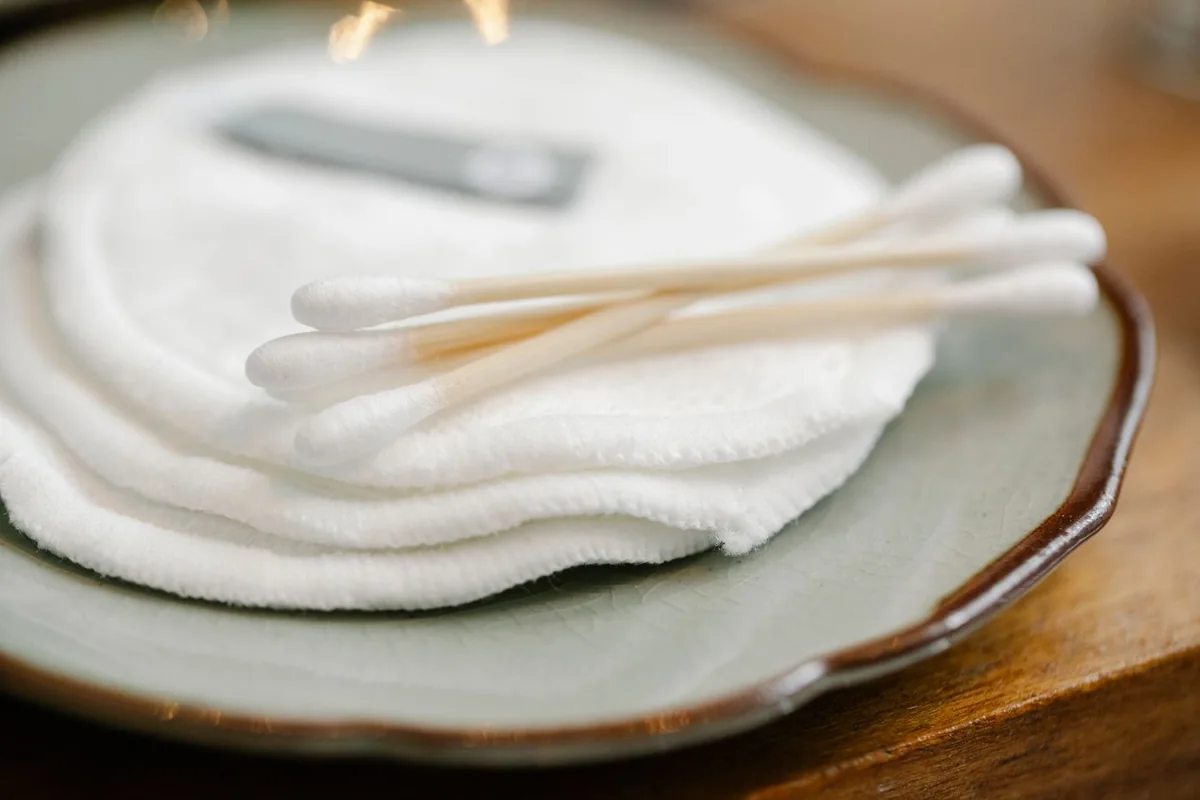
Reusable rounds are easy to direct around a small area, such as the corner of your mouth or the area below an eye. They can also be easy to miss when you transfer laundry or pick up several cloths from a basket. A slightly larger cloth gives your fingers room to fold it and use a clean part, and it may be easier to hang by itself. A full-size cloth gives you the most room for separate sections, but a single large wet object has to dry somewhere. Start by asking which task needs more control and which needs more clean surface.
Look at the construction before you buy. Thick seams and labels can make an otherwise soft pad awkward to use near the eye. A textured cloth may be useful for removing makeup from a broad area, but you may prefer a smoother face for delicate spots. Product photographs can show the edge, shape, and whether a corner is available for precise work. They will not tell you how wet or heavy the fabric feels in use. If you can buy a small set or use a cloth you already own, try that before ordering enough for the whole household.
Use your wash day to work out the number you need
Count the number of nights between laundry loads. If you use a fresh piece each evening, you need at least as many pieces as nights until the next set is clean and dry. If you regularly apply makeup for work and go out again that evening, count those double-removal days separately. Leave a small buffer for a missed load or a piece that has not dried yet. Buying a larger pack because each piece costs less makes little sense if the extras take up a drawer and never enter rotation.
A 7-day set gives you a useful starting idea for someone who does laundry weekly. A count in the product name is not an instruction about how often you can use a cloth or how much makeup it will hold. If you wash every three or four days, a smaller assortment may be enough. If you want separate cloths for eye makeup and face makeup on many evenings, a weekly set may cover fewer days than its name suggests. Try keeping a tally for one wash cycle before adding more.
Plan where you will put a used piece. A damp cloth pushed behind another towel will not dry like a cloth hung open. If the bathroom stays humid, give it a different drying spot before putting it in the laundry. A mesh bag can keep rounds together in a wash and help you find them afterward. Check the maker’s directions for whether its product can go in a washing machine or dryer. The routine needs to suit the appliances and settings you actually use, including a shared laundromat or a wash load you run with other towels.
The Teddy set lists seven cloths measuring five by four inches each, along with a makeup bag and a laundry bag. That size gives you more folding room than a typical round without taking up as much hanging space as a full washcloth. The laundry bag is most useful when small pieces already go missing in your wash. If you usually hang each cloth from a hook and wash them by hand, the bag may be less important than whether each cloth dries where you want to hang it.
You can check your own preference without wetting the whole cloth at once. Dampen a corner of a clean cloth you already own and keep the rest dry for grip. If you find yourself repeatedly turning the cloth to find a clean area, extra surface may be useful. If the corner does most of the work, start with a few rounds and put the savings toward a remover you already like.
Give stubborn makeup the removal time it needs
Pay attention to how you use a reusable cloth before concluding that it is too rough or too small. You may be trying to rub off makeup that first needs time in contact with the remover. Apply the appropriate remover as directed and allow the product to loosen before wiping gently. For mascara or liner, follow the cosmetics maker’s removal guidance, especially if the product is sold as waterproof or long-wearing. If one makeup product continues to leave residue, adjust the removal step for that product first. Changing the material of the cloth may not address it.
Try folding a larger piece to expose one clean area at a time. Use one part for darker color and another for the rest of your face. A little planning keeps one stain from spreading into an area you just cleaned. With small rounds, set out the number you expect to need before you start so you are not reaching into the drawer with wet hands. The point is to remove makeup comfortably, which is a more useful buying criterion than whether a listing says you can clean an entire face with one side.
| Routine | Start with | What might make you switch |
|---|---|---|
| Light makeup and occasional lipstick | A few rounds or one small cloth you already have | You need several pieces for one removal |
| Face and eye makeup most weekdays | Several small cloths that can rotate through the wash | You prefer separating eye makeup with a smaller pad |
| Full base and multiple dark colors | One larger cloth with space for clean folds | It takes too long to dry between uses |
| Shared laundry or travel | A small set with a way to keep pieces together | You do not have a place to hang them open |
Choose the shape that makes the routine easier
Buy a multi-cloth set if you reliably use several clean pieces between washes and want enough fabric to fold a cloth rather than turning over a small round. Start with reusable rounds if most of your job involves small areas and you have a reliable way to keep them together in the wash. Keep a full-size cloth if it is already soft enough for your routine and dries in the space you have. You can mix formats, but there is no need to replace every disposable item at once. Swap the piece you use most often, then see how it fits your removal and laundry habits over a regular week.